-
The Supply Chain Half-Life: How Quickly Does What You Know About Your Supply Chain Become Wrong?
Why Supply Chain Visibility Is Not a One-Time Exercise By Paul R Salmon FCILT, FSCM Introduction: Your Supply Chain Map May Already Be Wrong Organisations are investing enormous amounts of…
Editor's Picks
Latest Posts
-
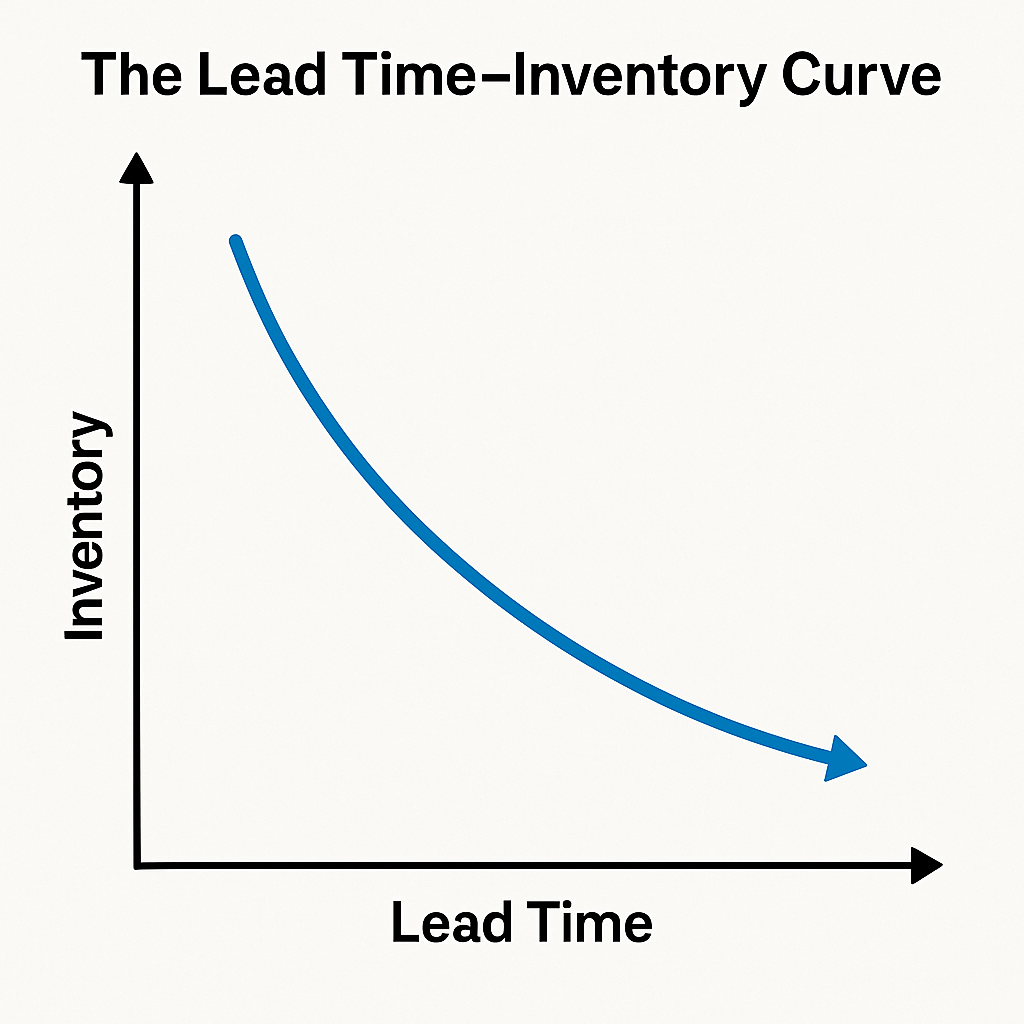
Why a 10% Lead Time Reduction Could Slash Inventory
By Paul R Salmon FCILT, FSCM In today’s volatile supply chain environment, reducing lead times isn’t just about speed – it’s about unlocking cash, cutting…
-
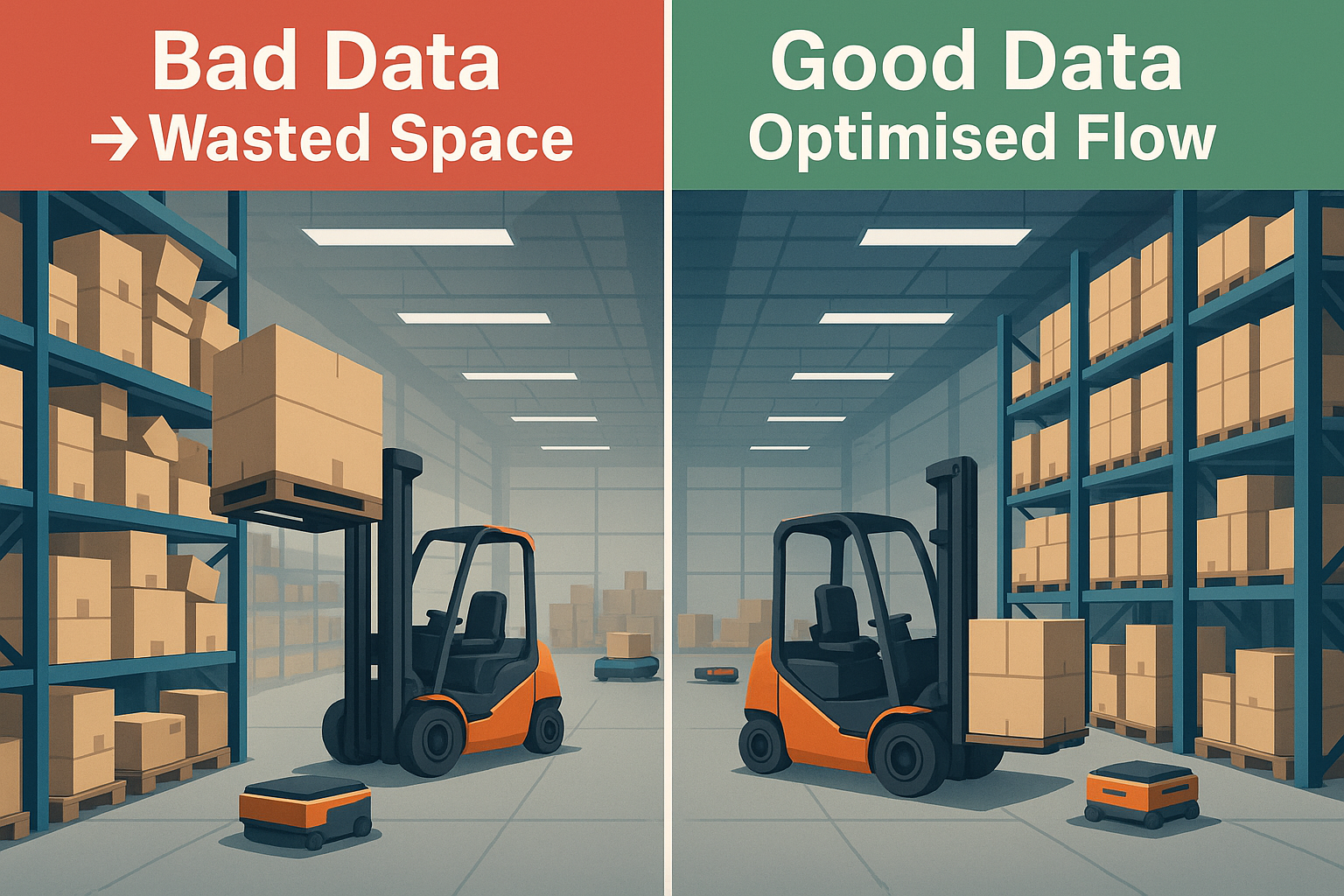
Warehouse Optimisation: Why Without Good Volumetric Data the Warehouses of the Future Won’t Work
By Paul R Salmon FCILT, FSCM As organisations race to modernise their warehouse operations – embracing automation, robotics, and AI-driven systems – one critical truth…
-
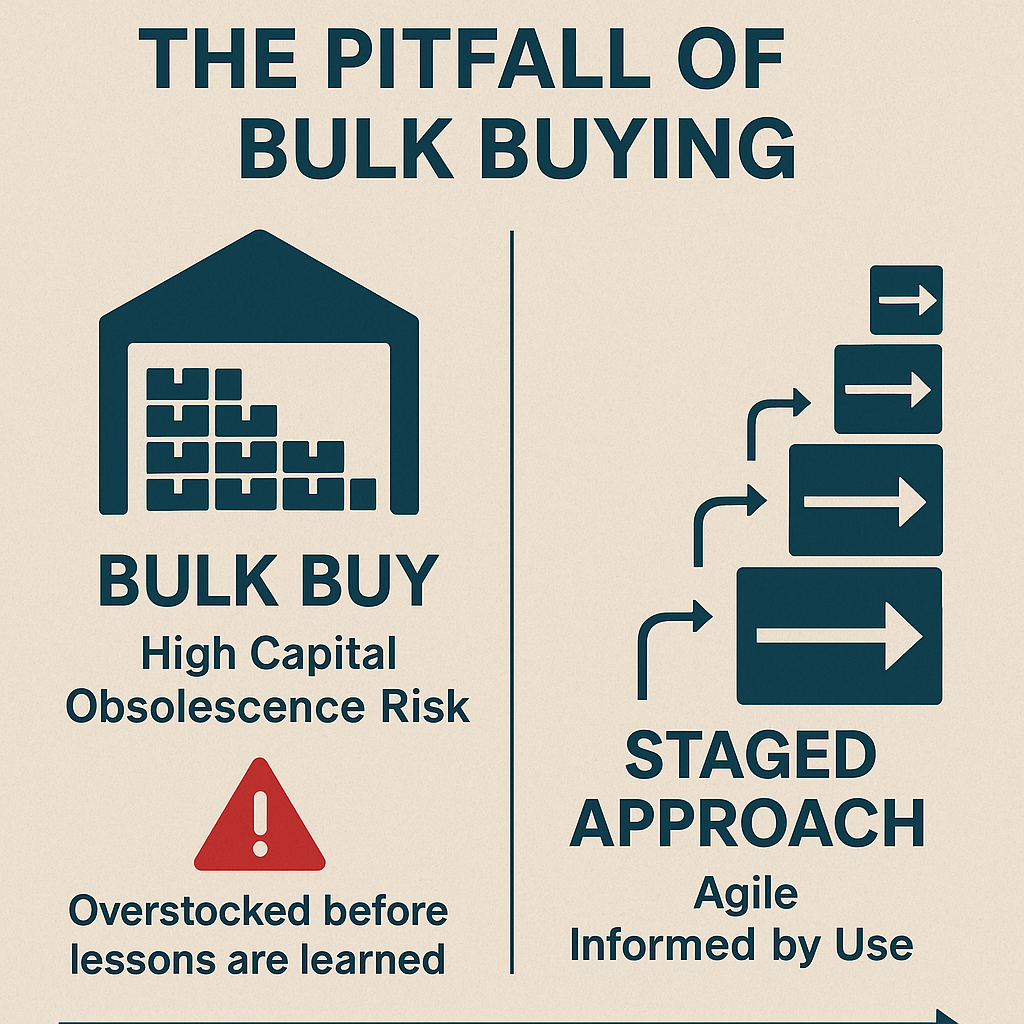
Fleet Build-Up: Why Buying All the Inventory Up Front is a Strategic Mistake
By Paul R Salmon FCILT FSCM In the world of supply chain and logistics, few moments are as critical as the introduction of a new…
-
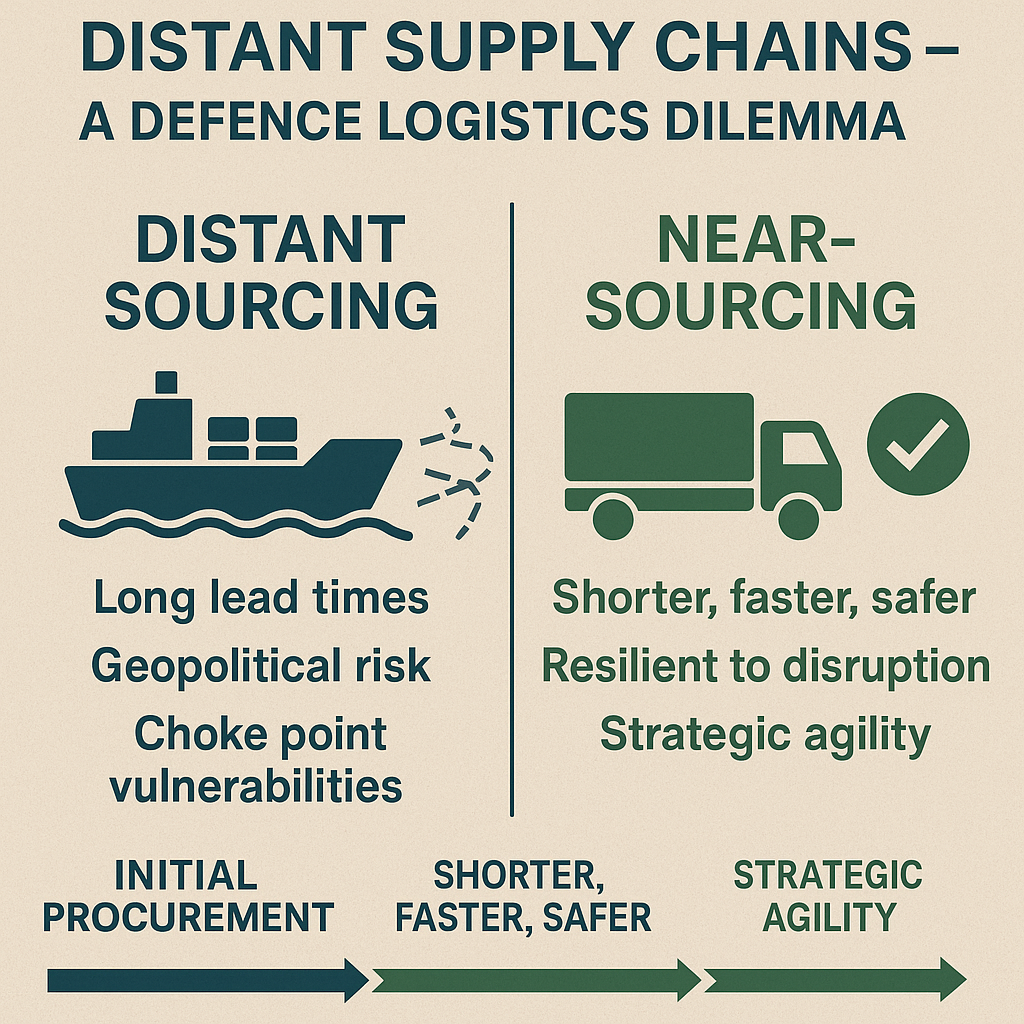
Near-Sourcing: The Answer to Contested Logistics?
By Paul R Salmon FCILT, FSCM In an age of weaponised supply chains, geopolitical turbulence, and denied environments, logisticians and supply chain leaders are asking:…
-
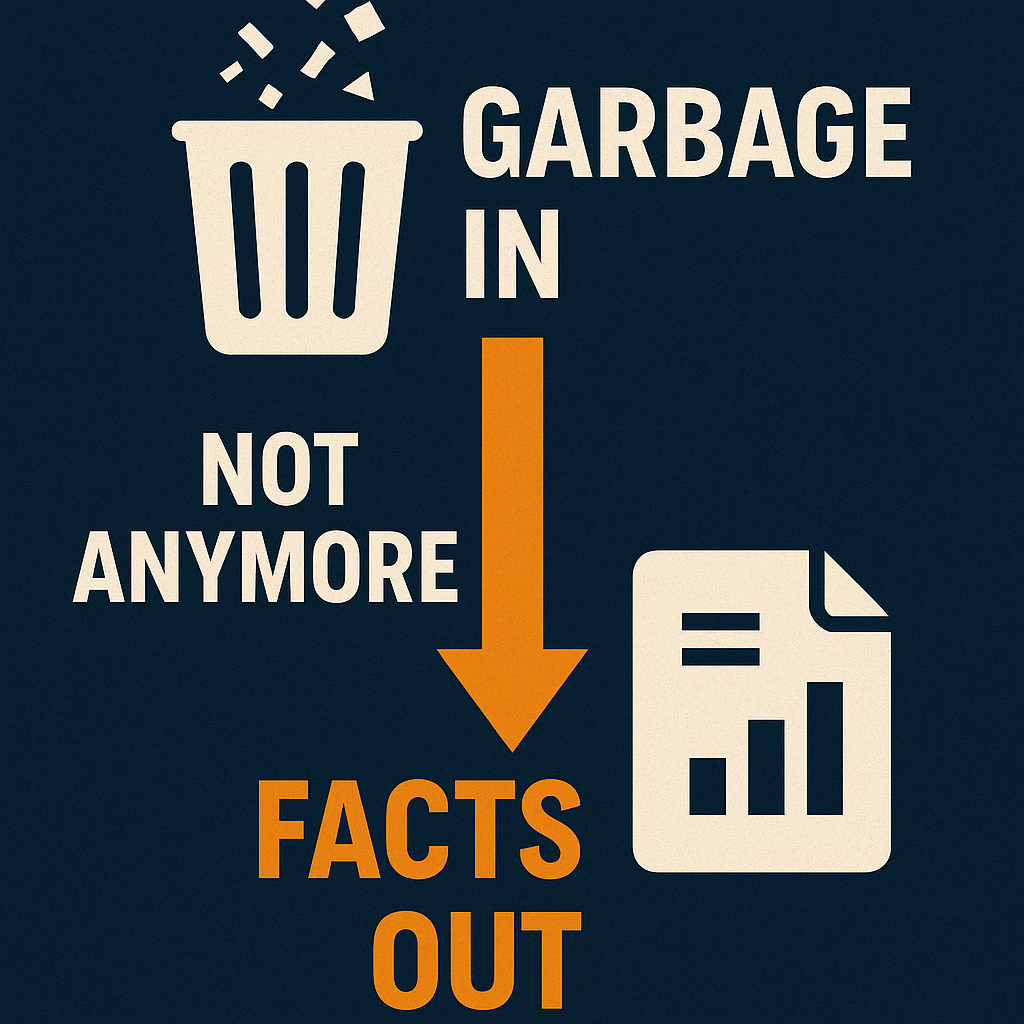
Garbage In, Garbage Out? Not Anymore. Why Bad Data Producing ‘Facts’ is a Threat to Modern Supply Chains
By Paul R Salmon FCILT, FSCM In today’s fast-moving supply chains, bad data is no longer just an inconvenience – it’s a critical threat. The…
-
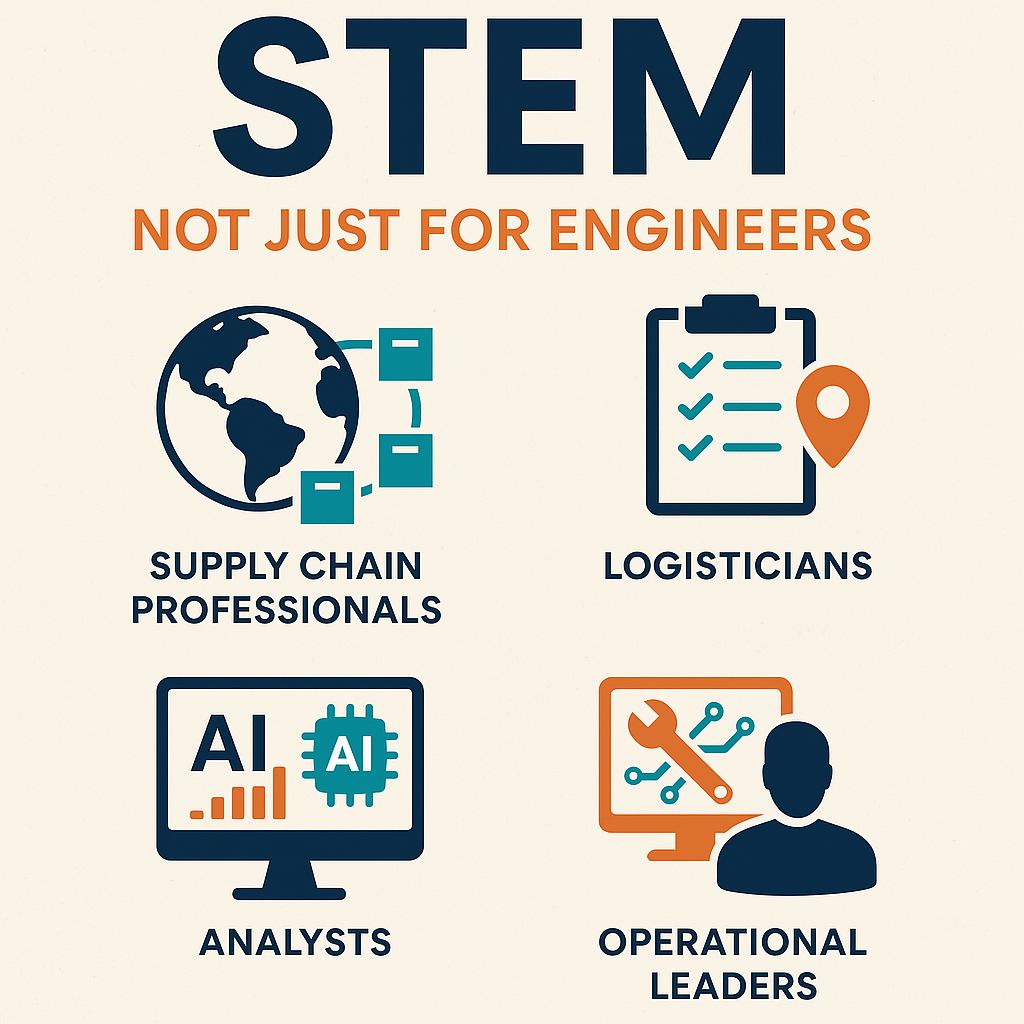
STEM Isn’t Just for Engineers: Why Modern Supply Chains Depend on STEM Thinking in Every Role
By Paul R Salmon FCILT, FSCM When people hear “STEM” (Science, Technology, Engineering, and Mathematics), their minds often jump to laboratories, bridges, or satellites. But…
-
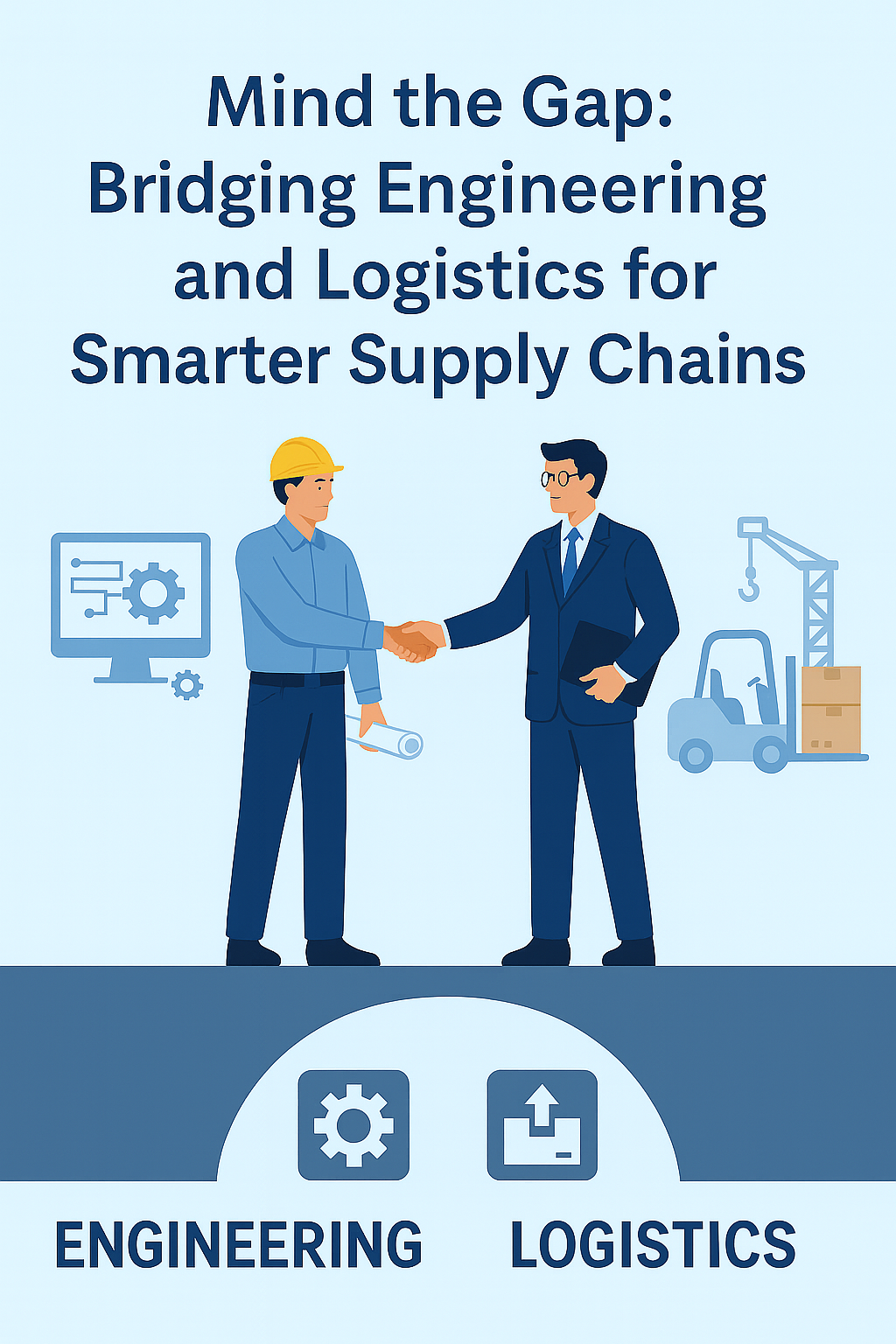
Mind the Gap: Bridging Engineering and Logistics for Smarter Supply Chains
By Paul R Salmon FCILT, FSCM In too many organisations, engineers and logistics professionals work side by side yet rarely engage deeply. One group designs…
-

Playing Tetris with Your Supply Chain: Why Reducing Wasted Space Saves Costs and Cuts Carbon
By Paul R Salmon FCILT, FSCM In supply chains around the world, space is often treated as an infinite resource. Pallets are stacked unevenly, trucks…
-
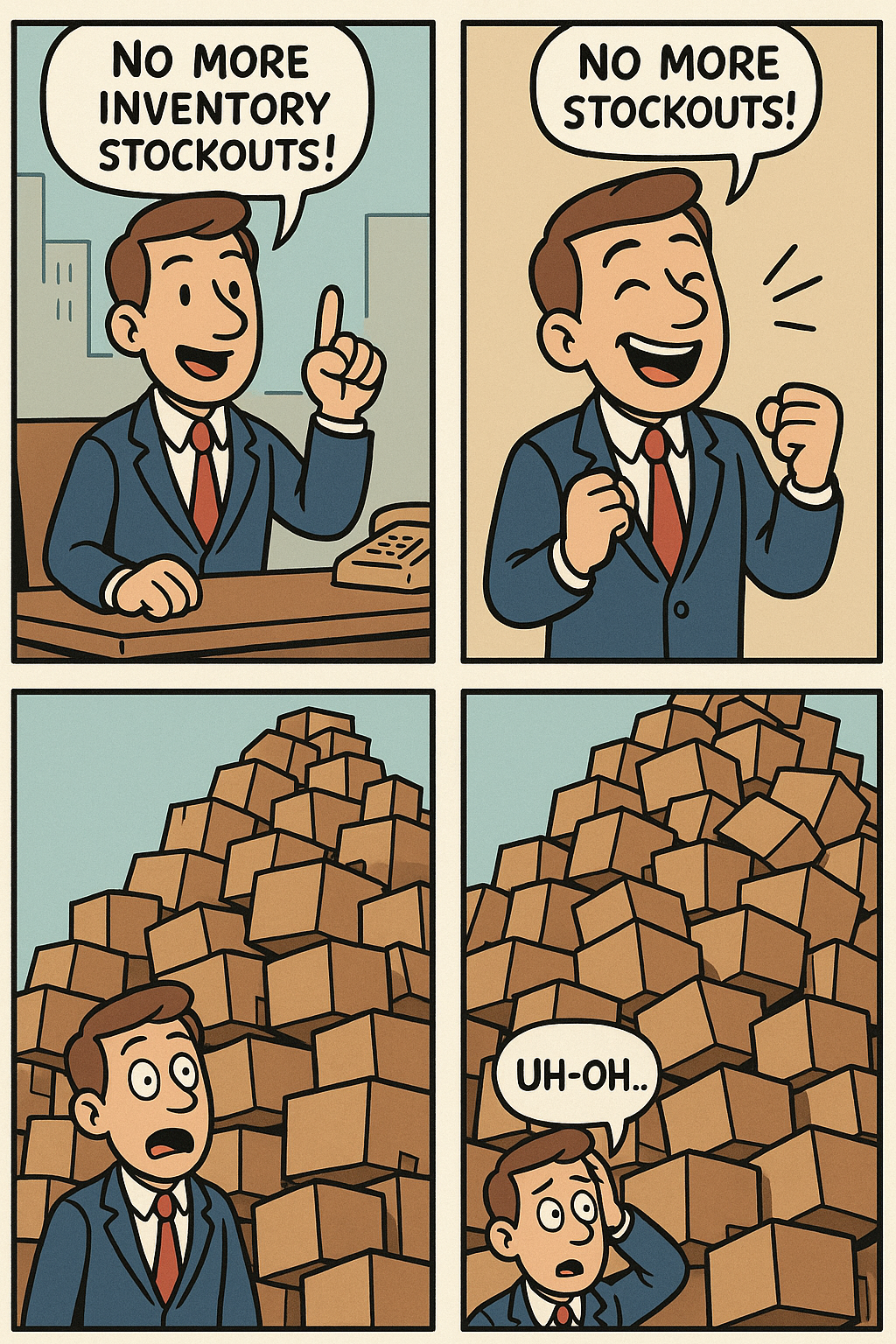
Stockpiling is Fragility Disguised as Resilience
By Paul R Salmon FCILT, FSCM In military and commercial supply chains alike, the instinct to stockpile runs deep. Faced with disruption, uncertainty, and pressure…
-
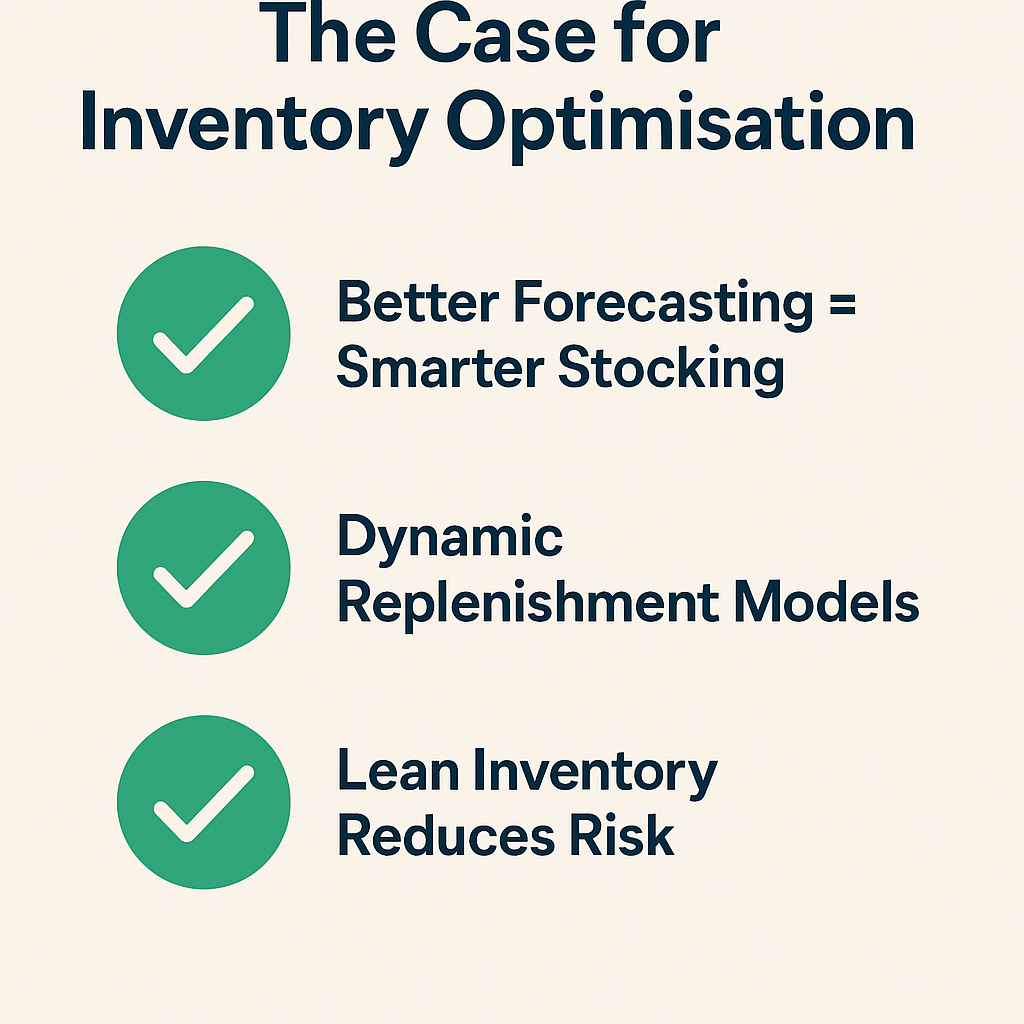
Why It’s Critical to Optimise Inventory – Not Just Buy More
By Paul R Salmon FCILT, FSCM In the face of stockouts, the knee-jerk reaction for many organisations is to increase purchasing and build bigger buffers.…
About

Paul Salmon
Editor in Chief
Paul Salmon FCILT is Chair of the CILT Defence Forum and the DE&S Logistics Profession Bodies Ambassador. A Chartered Fellow of CILT, CMI, and ISCM, Paul leads efforts to professionalise Defence logistics, championing CPD, chartered recognition, and stronger industry partnerships. He is a published thought leader, conference speaker, and award-winning advocate for supply chain innovation, data-driven decision-making, and resilience. With a background in both operational delivery and strategic transformation, Paul works across Defence to improve forecasting, inventory management, and supply chain integration. He is passionate about inspiring the next generation of logisticians through outreach, mentoring, and professional engagement. (Any views expressed are my own and are not those of UK defence )
Blogging
Editor's Picks
-
The Supply Chain Half-Life: How Quickly Does What You Know About Your Supply Chain Become Wrong?
-
Sunday Sillies
-
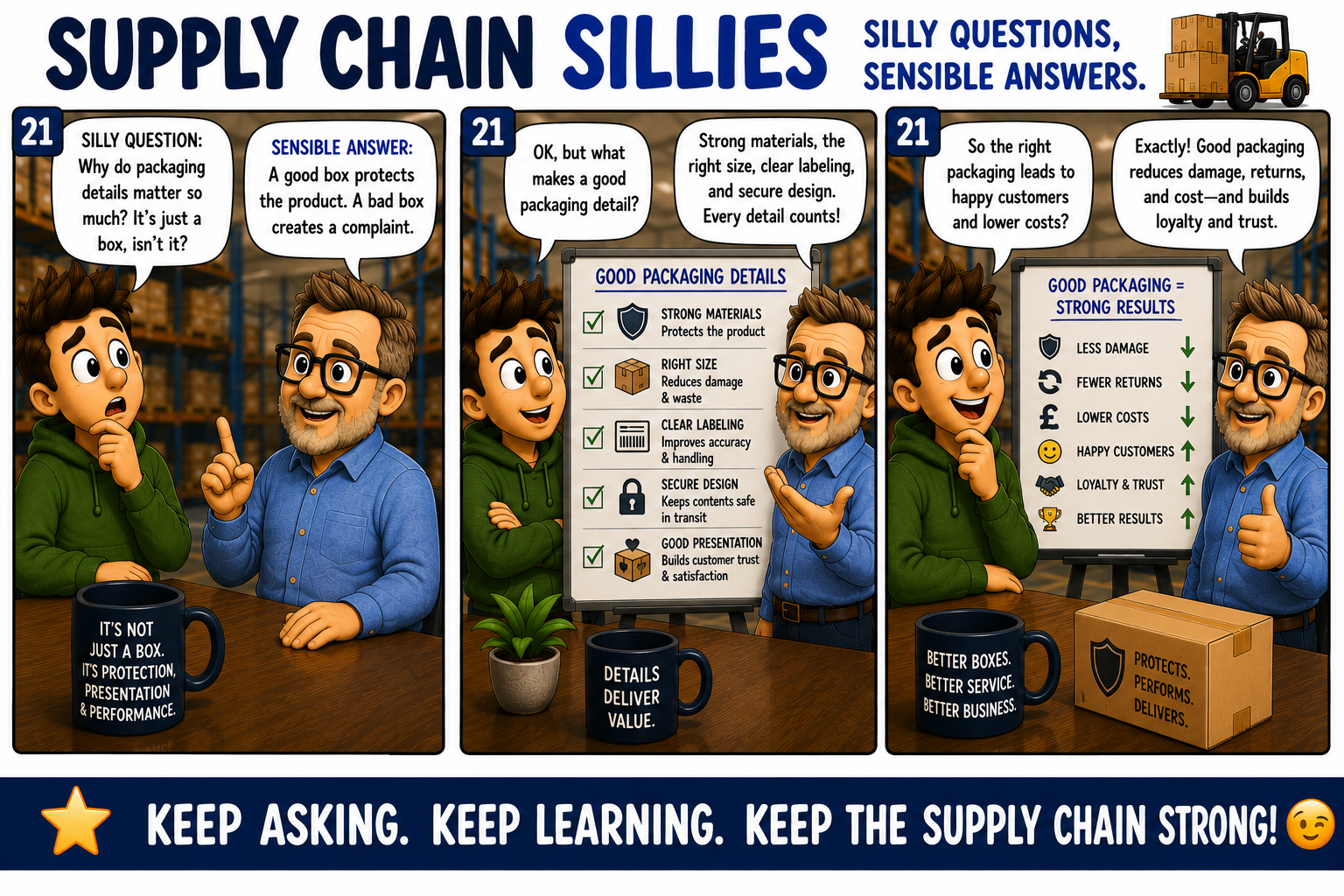
Sunday Sillies
-
From PESTEL to Stockpile
-
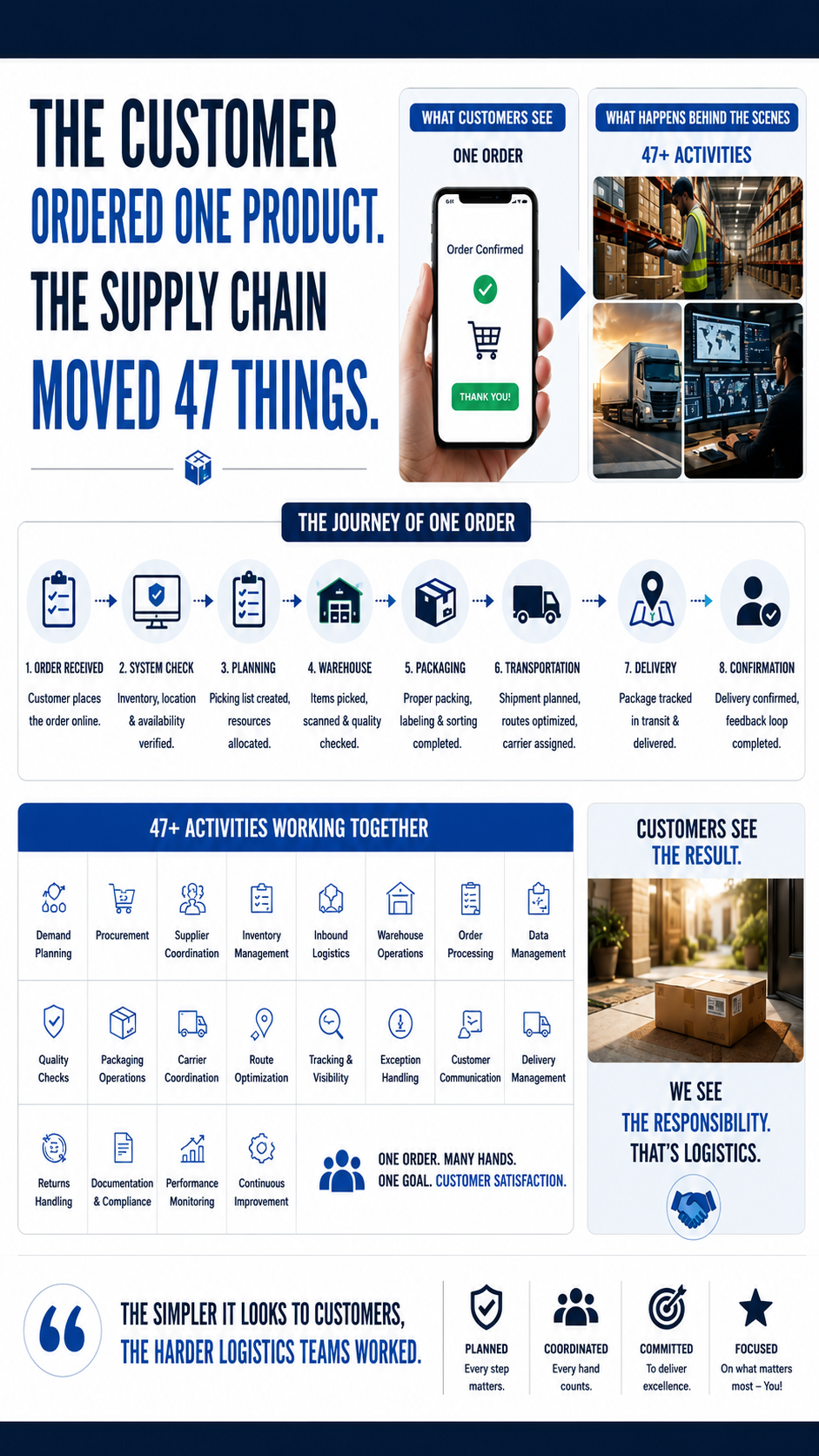
The Customer Ordered One Product. The Supply Chain Moved 47 Things.
-
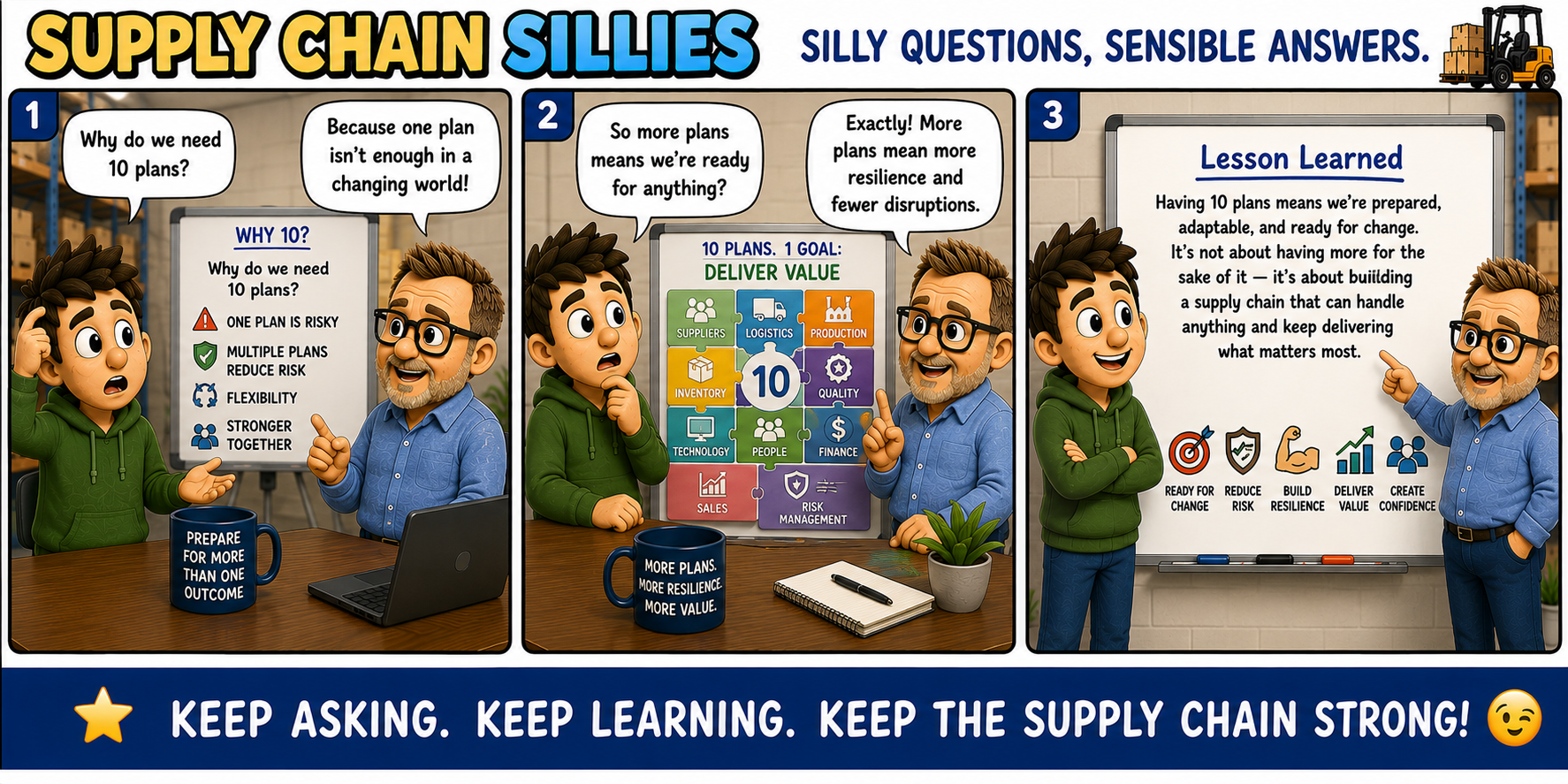
Sunday Sillies
-

The Supply Chain Professional of 2035: More Than a Planner, More Than a Buyer
-
New Course – Using PESTLE Analysis to Improve Inventory Forecasting Algorithms