
By Paul R. Salmon FCILT, FSCM
Defence does not exist to make profit in the commercial sense. Yet every day, Defence makes decisions that either create or destroy value at scale—financial, operational, and strategic. The difference between the two is increasingly defined by data.
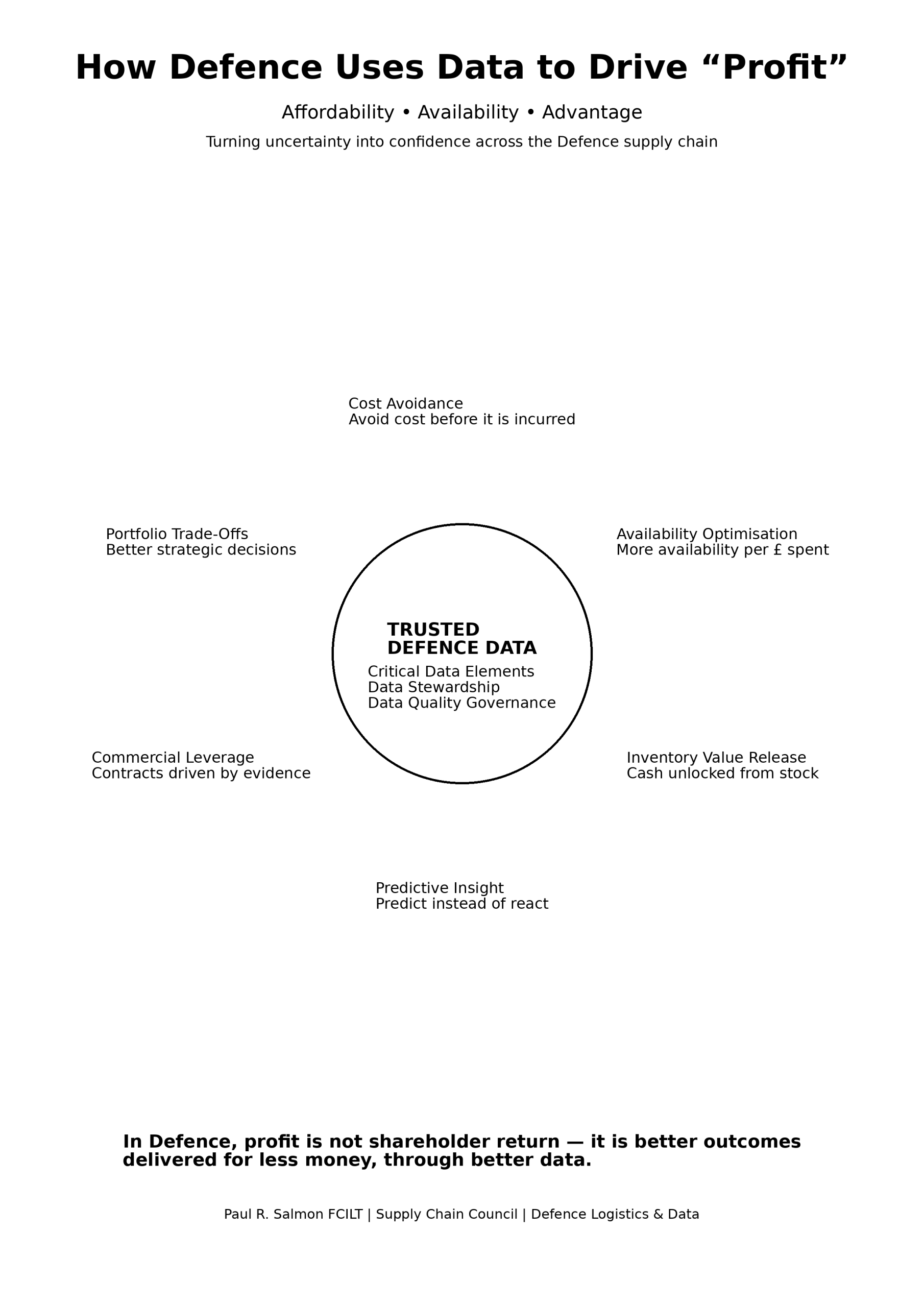
In commercial supply chains, data drives profit through efficiency, growth, and competitive advantage. In Defence, the same mechanisms apply—just under different names: affordability, availability, resilience, and military effect. When Defence uses data well, it spends less, avoids waste, delivers capability faster, and releases funding for reinvestment. When it uses data poorly, cost grows silently, risk is hidden, and contingency becomes the default.
This article explores how Defence can—and increasingly must—use data to drive its equivalent of profit.
Reframing “Profit” in a Defence Context
If profit is defined as value created beyond cost, then Defence absolutely has a profit motive—just not one measured in shareholder returns.
In Defence terms, profit shows up as:
Cashable savings returned to the centre or reinvested Higher availability for the same spend Reduced Whole Life Cost (WLC) Faster delivery of operational effect Avoided future cost through better early decisions
Data is the mechanism that turns these outcomes from aspiration into reality.
Cost Avoidance: The Largest (and Quietest) Source of Value
The most powerful form of Defence “profit” is not efficiency—it is cost avoidance.
Once a system has entered service, options narrow and cost becomes stubborn. But early decisions—on design, support strategy, inventory policy, and commercial model—lock in the majority of lifetime cost. Data allows Defence to intervene before that lock-in occurs.
High-quality data enables:
Accurate demand forecasting rather than assumption-based planning Evidence-led support strategies instead of conservative over-engineering Realistic modelling of operating environments and usage rates
The result is fewer spares purchased “just in case”, fewer contracts written to worst-case assumptions, and fewer surprises later in life.
Every pound of cost avoided early in the lifecycle is worth several pounds saved later. That compounding effect is where data delivers its greatest return.
Availability Optimisation: More Output for the Same Input
Availability is one of the most expensive outcomes Defence seeks to deliver. Traditionally, uncertainty has driven a simple response: buy more stock, add more redundancy, hold more contingency.
Data changes that equation.
When Defence understands:
Failure rates by context rather than averages Usage patterns rather than theoretical utilisation Repair and turnaround times based on evidence
…it can optimise availability rather than insure against ignorance.
This is where modelling and simulation come into their own. Tools and techniques are well established—but they only perform as well as the data beneath them. Trusted data enables Defence to deliver the same (or better) availability with fewer assets, fewer spares, and lower ongoing cost.
That delta—availability delivered without proportional spend—is Defence profit in its purest form.
Inventory: The Largest Pool of Tied-Up Capital
Defence inventory represents billions of pounds of frozen value. Much of it exists not because it is needed, but because confidence is lacking.
Poor data leads to:
Excess safety stock Duplicate holdings across organisations Obsolete and dormant items left undiscovered
Good data enables the opposite.
With accurate demand, failure, and usage data, Defence can:
Reduce insurance stock Rationalise holdings across the enterprise Identify surplus and release value
Even marginal improvements in inventory accuracy can unlock substantial reinvestable funding—often without any reduction in operational readiness.
Commercial Leverage Through Evidence, Not Assumption
Data fundamentally reshapes the commercial relationship between Defence and industry.
Without data, Defence negotiates from a position of uncertainty. With data, it negotiates from a position of evidence.
This enables:
Performance-based contracts grounded in measurable outcomes Incentives aligned to real availability, not reported availability Risk shared transparently rather than priced defensively
Data does not make commercial discussions adversarial—it makes them honest. And honesty is cheaper than contingency.
Predictive Insight: Turning Reactivity into Control
Reactive Defence is expensive Defence.
Urgent spares, emergency repairs, last-minute obsolescence buys and crisis funding all share a common root cause: insufficient predictive insight.
Data enables Defence to move from reaction to anticipation:
Predictive maintenance instead of breakdown response Planned obsolescence management rather than scramble buys Early risk intervention rather than late cost acceptance
Prediction does not eliminate uncertainty—but it converts volatility into managed risk. Managed risk is always cheaper than unmanaged surprise.
Portfolio-Level Decision-Making: Where the Real Money Is
The greatest financial decisions in Defence are not made at platform level—they are made at portfolio and enterprise level.
Data enables Defence leaders to:
Compare investment options objectively Understand trade-offs between platforms and capabilities Accept informed risk in one area to release value in another
Without data, these decisions default to narrative, precedent, or political pressure. With data, they become strategic choices grounded in evidence.
This is where data stops being a technical enabler and becomes a strategic asset.
Data Quality: The Uncomfortable Truth
None of this works without data quality—and data quality does not happen by accident.
High-value Defence outcomes depend on:
Clearly defined Critical Data Elements Named Data Owners and Data Stewards Active Data Quality Boards with authority Agreed standards for timeliness, accuracy, and completeness
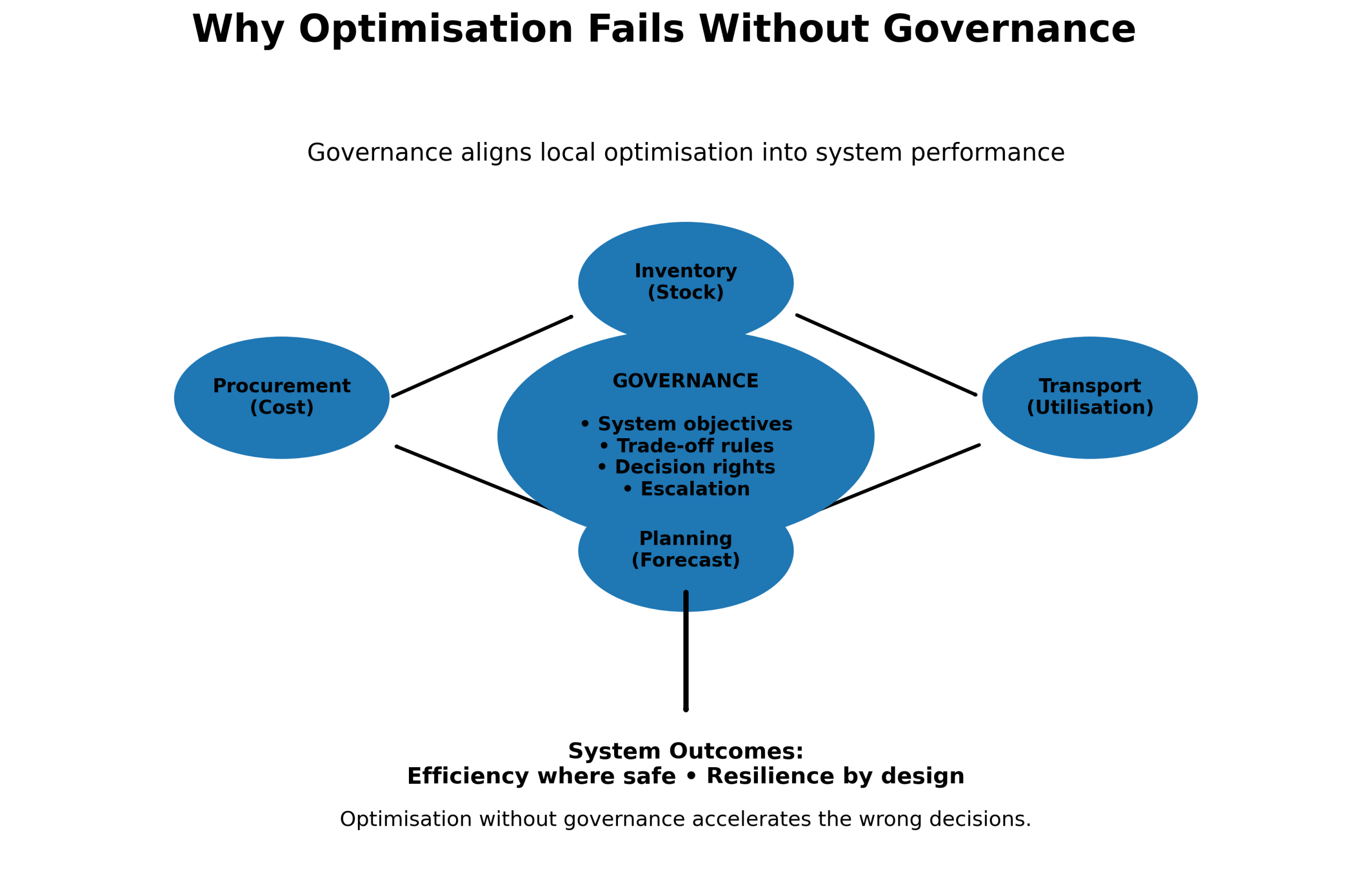
Data governance is often dismissed as bureaucracy. In reality, it is value protection.
Every improvement in data quality increases confidence in modelling, improves decision-making, and reduces the need for contingency spend. That compounding effect makes data quality one of the highest-return investments Defence can make.
Industry’s Role in Defence Data Value
Industry is not a passive recipient in this equation.
Many of Defence’s most valuable data sets—failure data, usage data, maintenance data—sit with suppliers. When that data is shared transparently and used collaboratively, both sides benefit:
Defence gains affordability and confidence Industry gains stable demand and clearer incentives
The future Defence supply chain is not built on information asymmetry. It is built on shared data and shared outcomes.
Conclusion: Data Is Not an Enabler—It Is the Business
Defence does not need more data initiatives. It needs to recognise that data is the business.
Used properly, data allows Defence to:
Avoid cost before it is incurred Deliver more availability for the same spend Release tied-up inventory value Negotiate commercially from evidence Make strategic trade-offs with confidence
That is how Defence drives its version of profit—not for shareholders, but for the taxpayer and the warfighter.
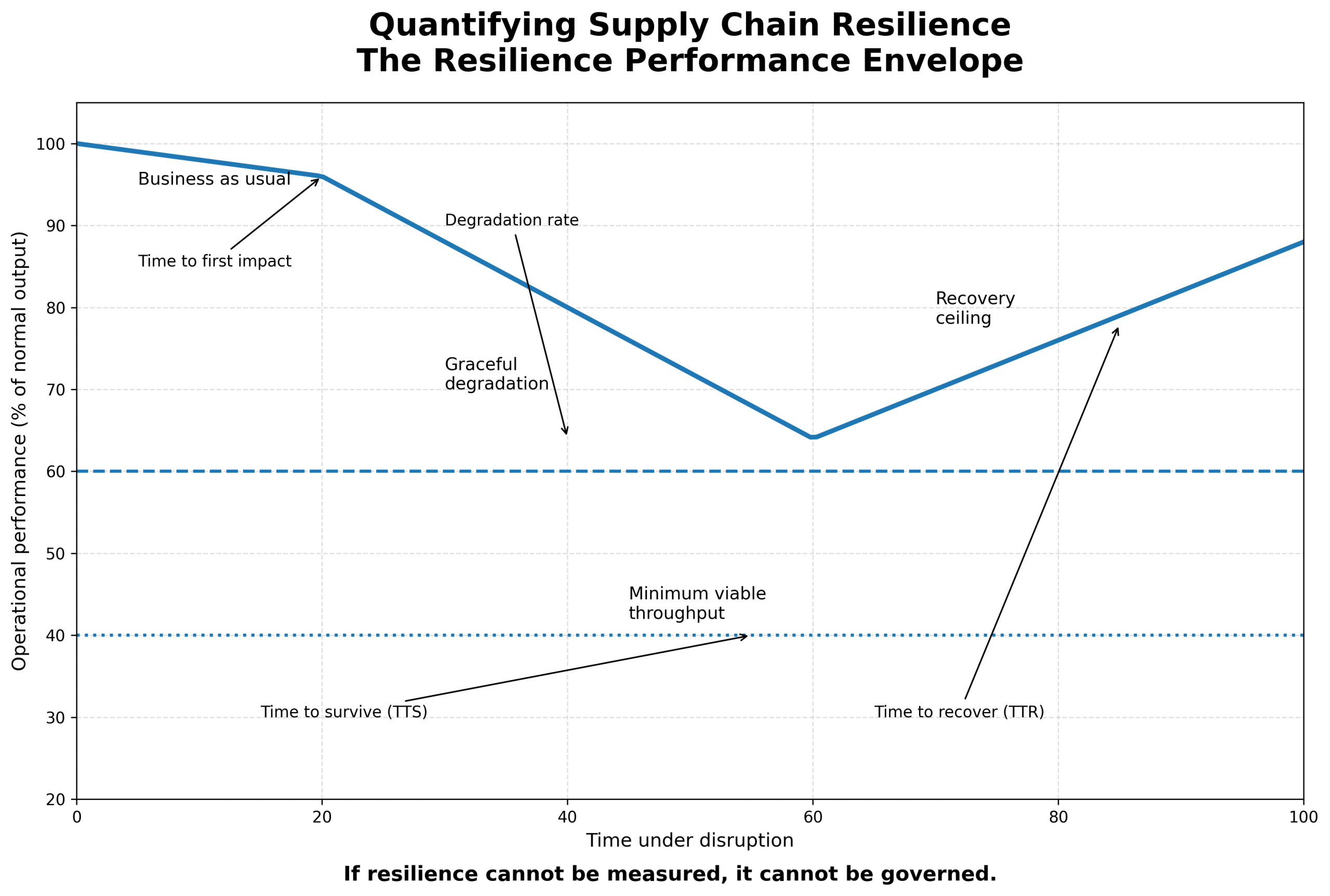
The organisations that understand this will not just be more efficient. They will be more resilient, more credible, and better prepared for the uncertainty that defines modern conflict.