-
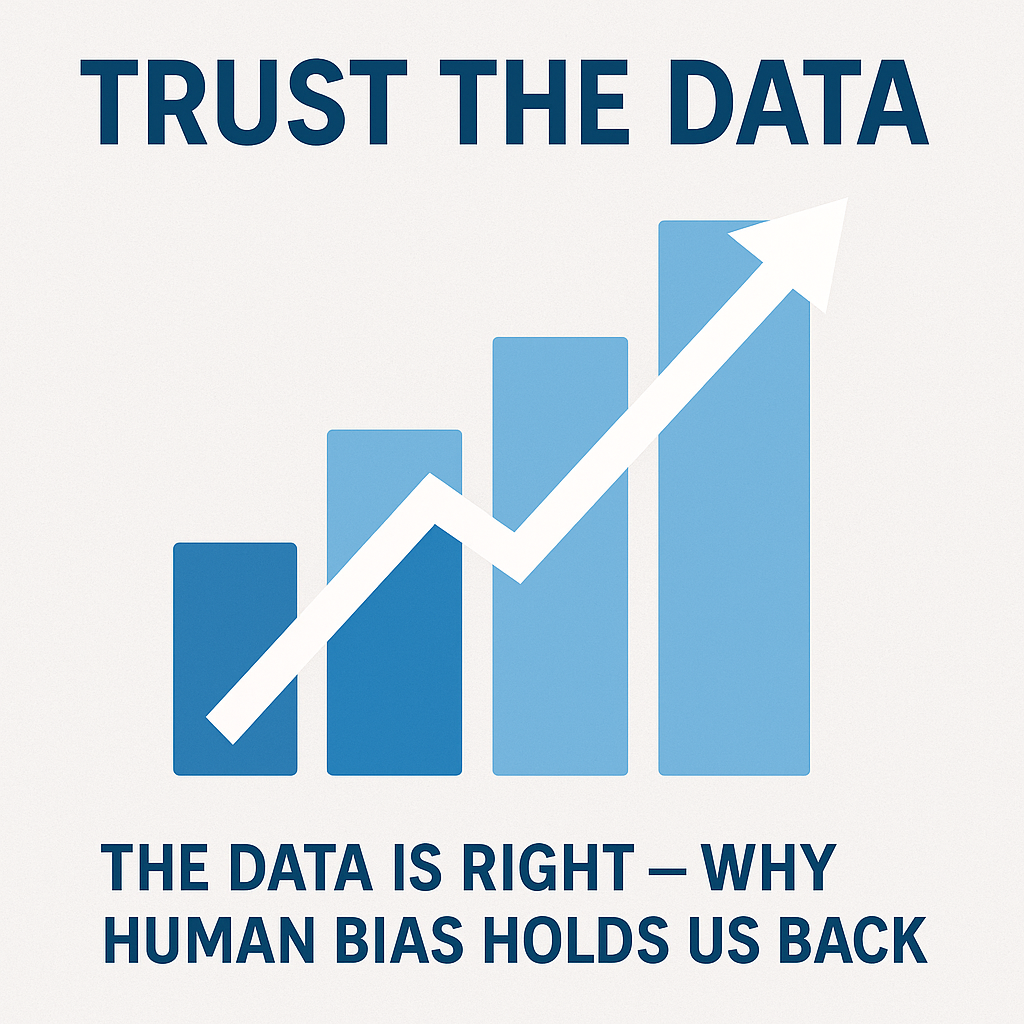
The Data is Right – Why Human Bias Holds Us Back
By Paul R Salmon FCILT, FSCM In today’s hyperconnected, contested world, supply chains must operate with speed, precision, and resilience. Defence and industry alike are…
-
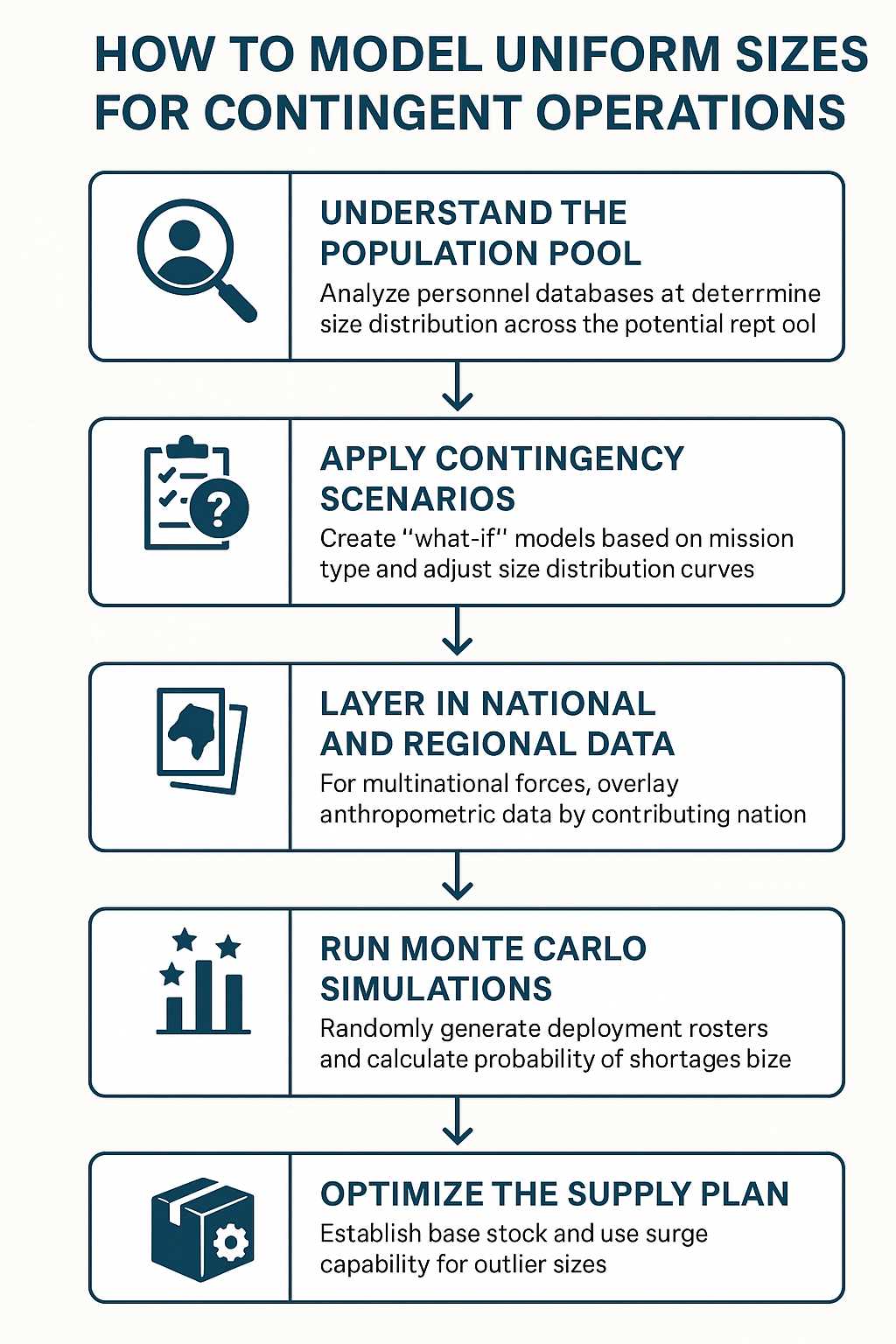
One Size Doesn’t Fit All: How to Model Uniform Sizes for Contingent Operations
By Paul R Salmon FCILT FSCM FCMI In modern logistics, we talk a great deal about precision. Whether it’s fuel, ammunition, medical supplies, or rations—accurate…
-
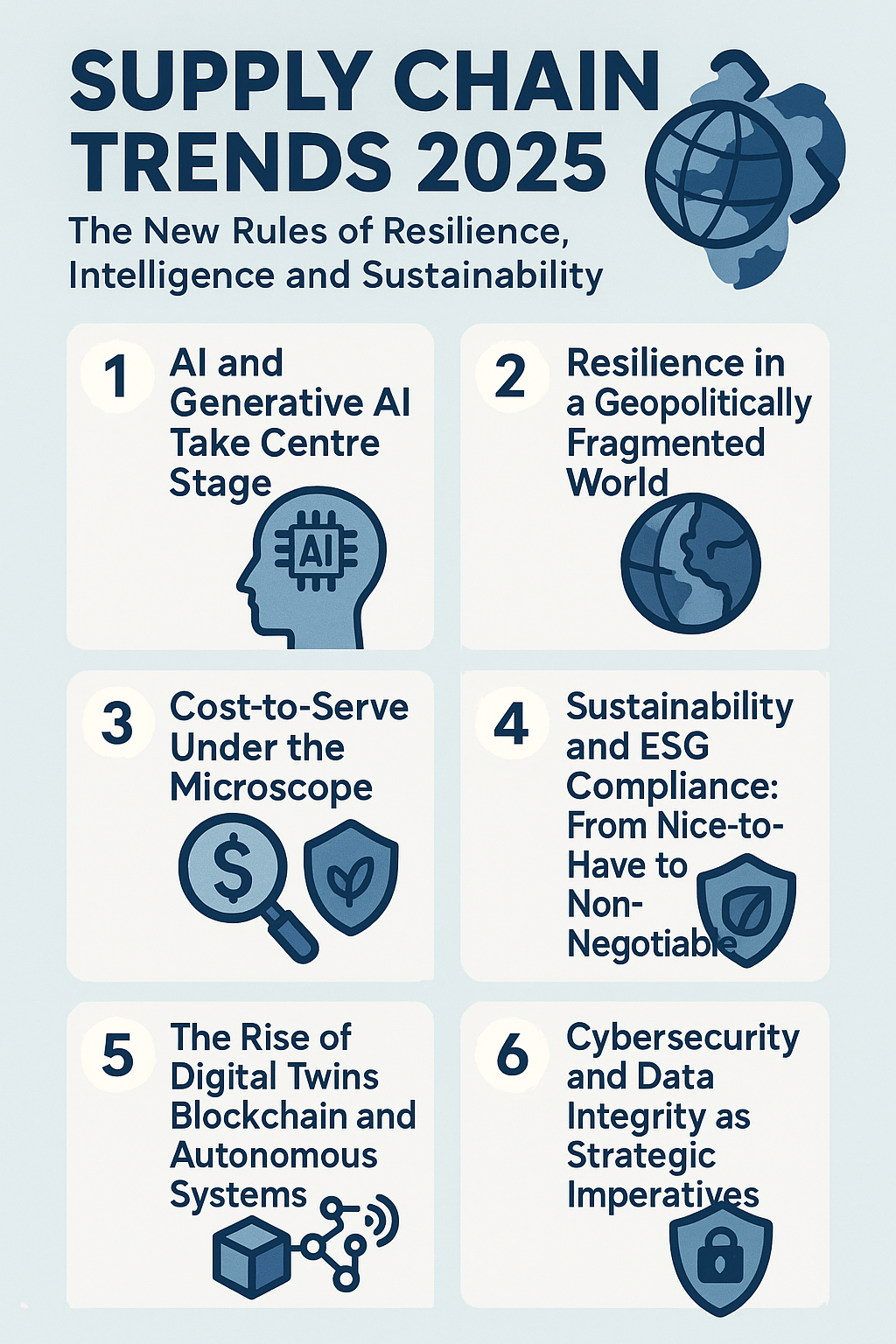
Supply Chain Trends 2025: The New Rules of Resilience, Intelligence, and Sustainability
By Paul R Salmon FCILT, FSCM As we step into the second half of the decade, global supply chains are experiencing their most significant transformation…
-
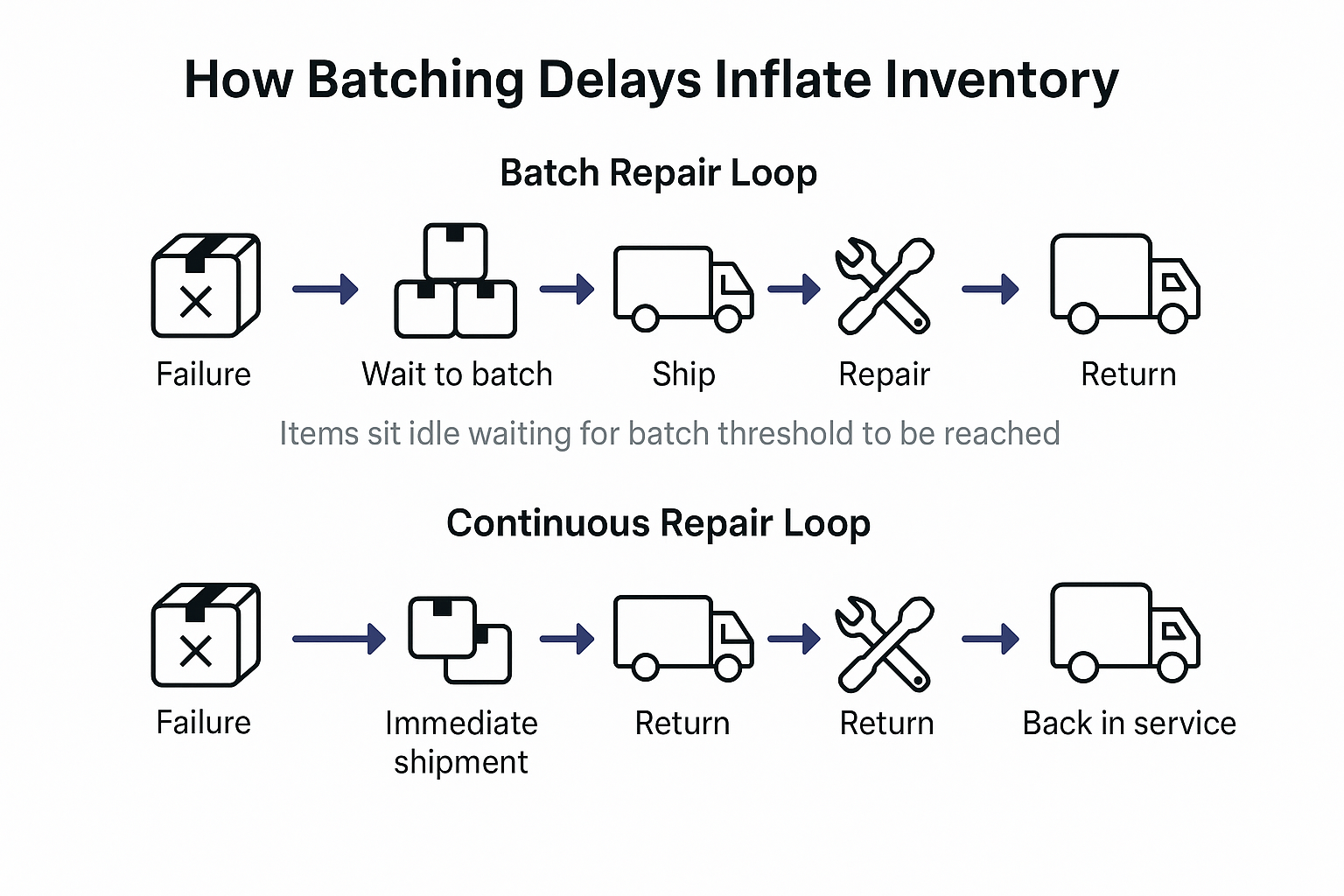
The Batching Trap: Why Waiting to Return Items for Repair Bloats Supply Chain Inventory
By Paul R Salmon FCILT, FSCM In complex supply chains, every decision about how materials flow impacts availability, cost, and responsiveness. One deceptively simple practice…
-
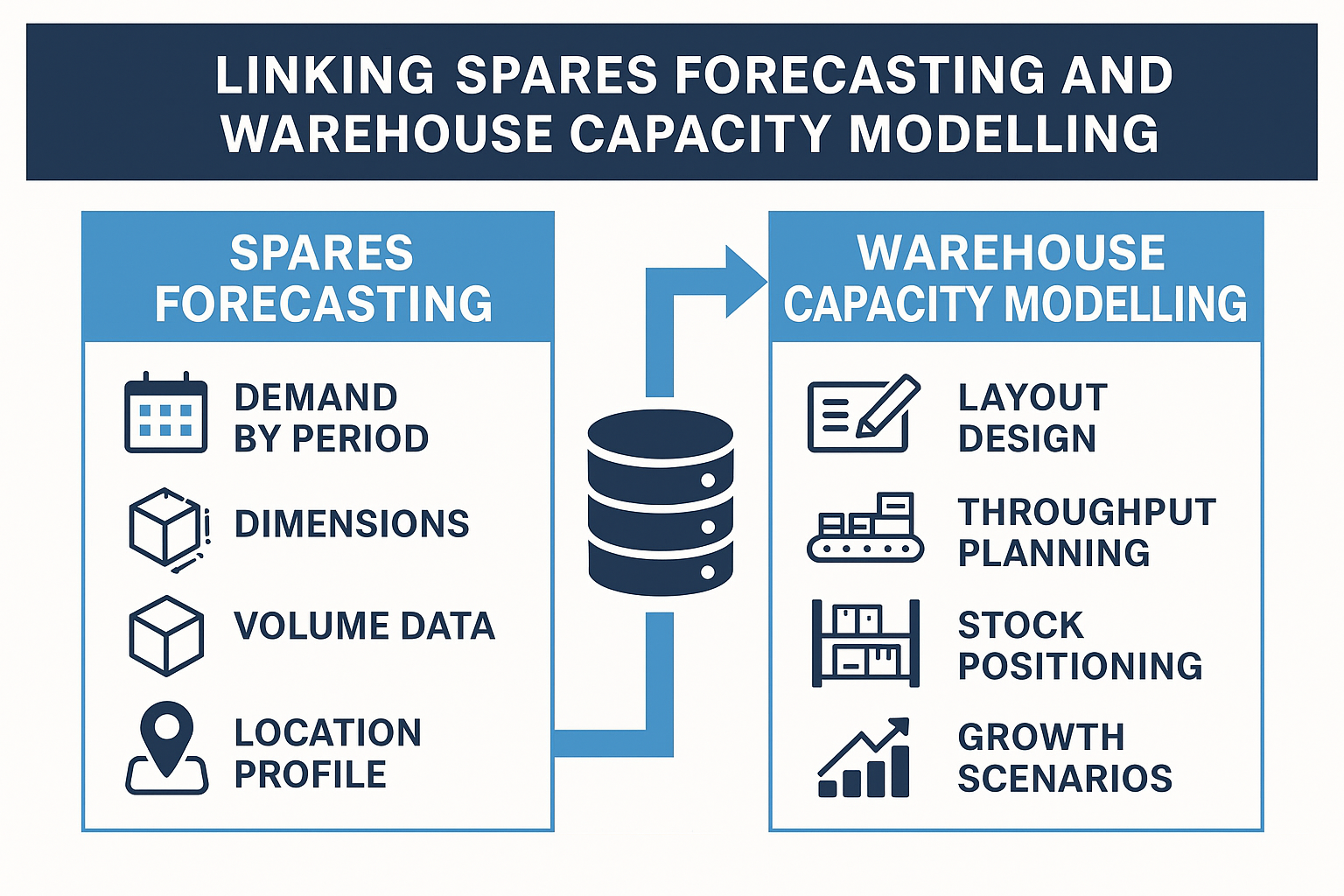
Warehouse capacity modelling is the process of calculating and simulating how much storage space and throughput a warehouse can handle, under different operational and layout scenarios, to ensure it can meet demand efficiently. It’s used in both designing new facilities and optimising existing ones.
By Paul R Salmon FCILT, FSCM Here’s a structured overview: 1. Core Objectives Determine maximum storage capacity (by SKU, pallet, carton, or unit) Assess throughput…
About

Paul Salmon
Editor in Chief
Paul Salmon FCILT is Chair of the CILT Defence Forum and the DE&S Logistics Profession Bodies Ambassador. A Chartered Fellow of CILT, CMI, and ISCM, Paul leads efforts to professionalise Defence logistics, championing CPD, chartered recognition, and stronger industry partnerships. He is a published thought leader, conference speaker, and award-winning advocate for supply chain innovation, data-driven decision-making, and resilience. With a background in both operational delivery and strategic transformation, Paul works across Defence to improve forecasting, inventory management, and supply chain integration. He is passionate about inspiring the next generation of logisticians through outreach, mentoring, and professional engagement. (Any views expressed are my own and are not those of UK defence )